From Bean to Ceremony
The Art Behind Ceremonial Grade Cacao
In the world of superfoods and mindful rituals, "ceremonial grade cacao" has become a buzzword. But what does it actually mean? It isn't just about the label; it is about the integrity of the process, from the tree to the block you hold in your hand.
Let’s pull back the curtain on how this sacred ingredient is crafted.
It Starts with the Right Genetics
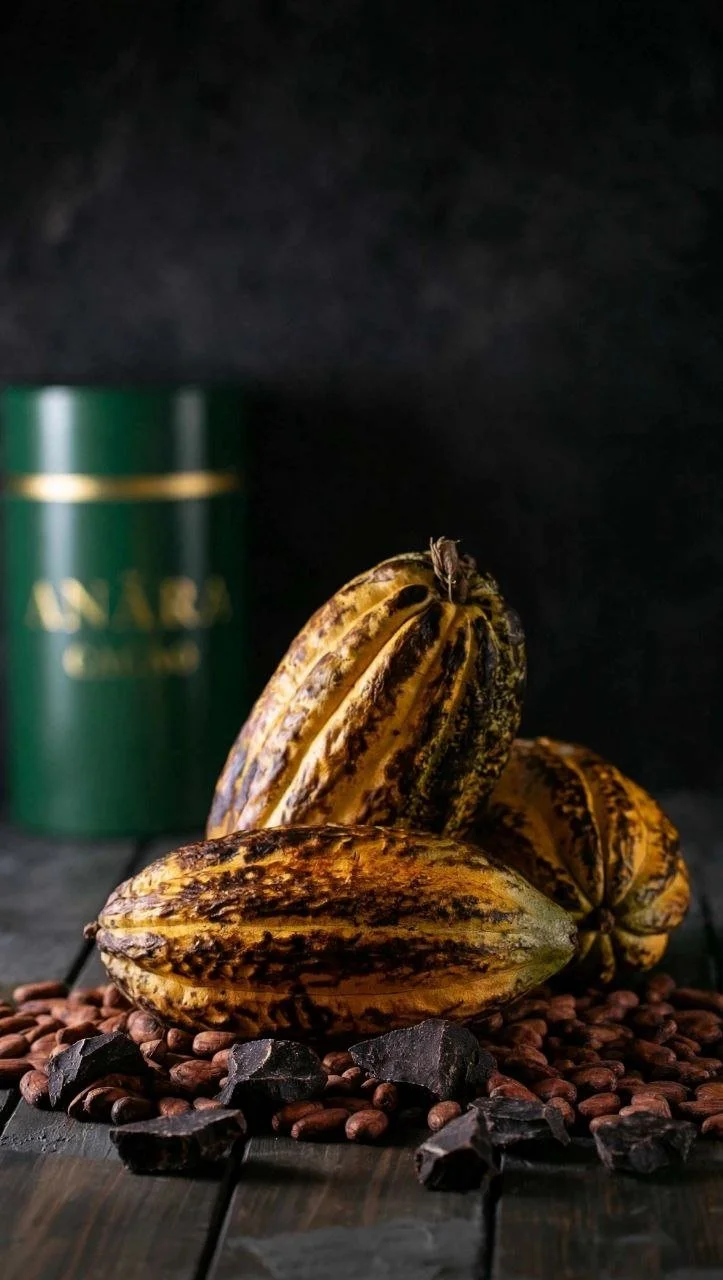
Not all cacao is created equal. Ceremonial grade cacao typically comes from heirloom varieties, such as the Arriba Nacional found in Ecuador. These "fine aroma" beans are prized for their complex flavor profiles, lower bitterness, and superior energetic qualities. For a product to reach ceremonial status, it must be harvested from trees grown in rich, biodiverse ecosystems that honor the plant's natural life cycle.
Gentle Harvesting & Fermentation
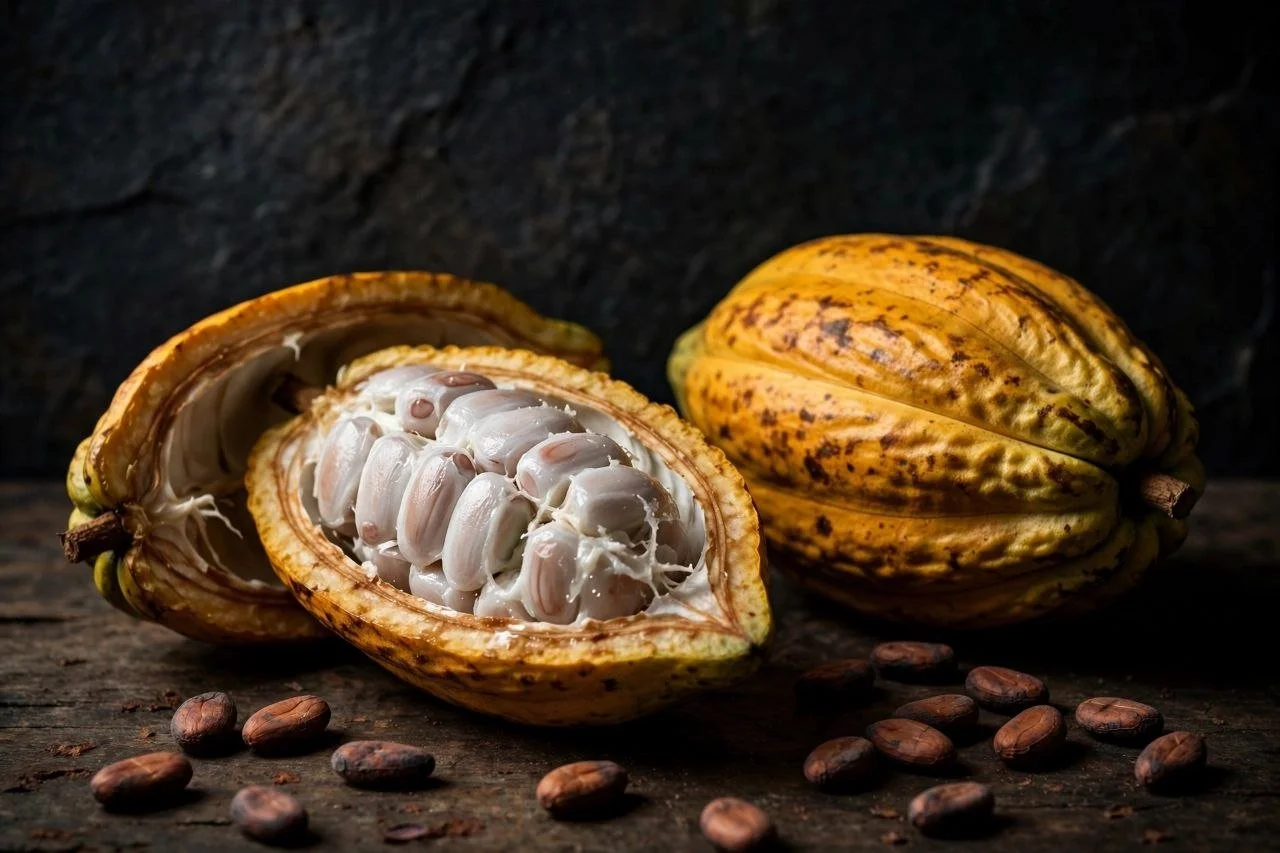
The process begins with the harvest of ripe cacao pods. Once gathered, the beans - covered in their white, sweet pulp—are removed and placed into fermentation boxes or under banana leaves.
Fermentation is the "magic" step where the raw, astringent bean begins to transform. During this time, heat develops, enzymes break down proteins, and the foundation of the cacao’s flavor profile is built. For ceremonial grade, this process is meticulously timed; it’s a delicate balance that requires patience, not industrial speed.
Sun-Drying
After fermentation, the beans are spread out to dry in the sun. This is a critical stage. Natural, slow solar drying preserves the integrity of the bean’s oils and complex chemical compounds. Industrial drying, by contrast, can "cook" the beans, stripping them of their vibrant energy and nuanced flavors.
Light Roasting or Raw Processing
Ceremonial cacao is rarely subjected to the high-heat roasting typical of mass-market chocolate. Producers often use very light roasting to remove bacteria and enhance the flavor, while others keep it completely raw. The goal here is to retain the maximum amount of the bean's natural fats, antioxidants, like flavonoids and neuro-chemicals like theobromine and anandamide - the "bliss molecule" in Ceremonial graded Cacao.
Milling into Liquor
The dried beans are winnowed (the shell is removed) to reveal the nibs. These nibs are then ground into a paste. In large-scale chocolate making, this paste would be separated into cocoa butter and powder, only to be mixed back together with sugar, milk, and emulsifiers.
Ceremonial grade is different. It is 100% pure cacao liquor, also known as cacao mass. Nothing is taken out, and nothing is added. The result is a rich, dark paste that retains the whole bean's nutritional profile, including the essential cacao butter that provides the smooth, melt-in-the-mouth texture.
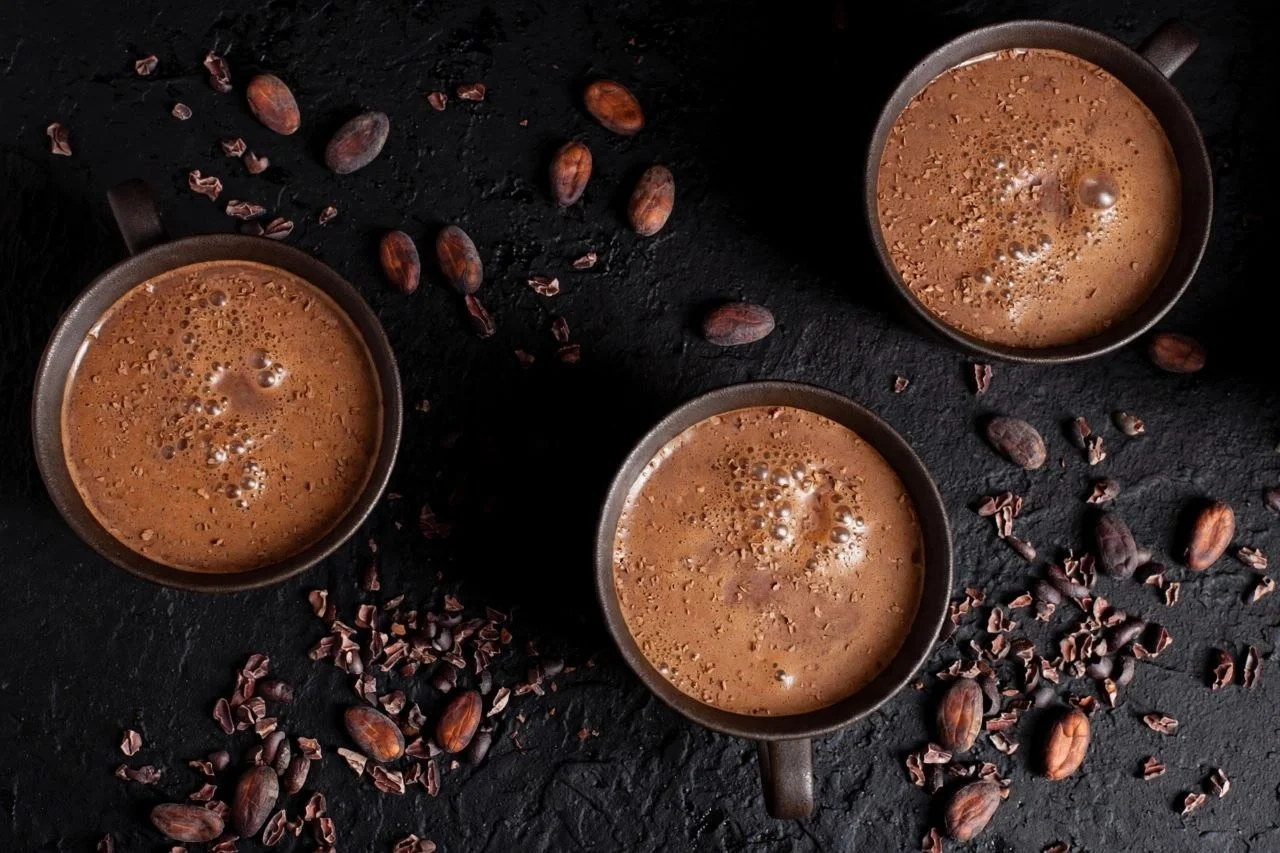
When you consume ceremonial grade cacao, you aren't just eating chocolate; you are consuming the result of a process that honors nature and human labor. Whether you use it for a daily meditation, a creative boost, or simply to enjoy the deepest flavor of the cacao bean, knowing the journey of your cacao adds a layer of depth to every cup.
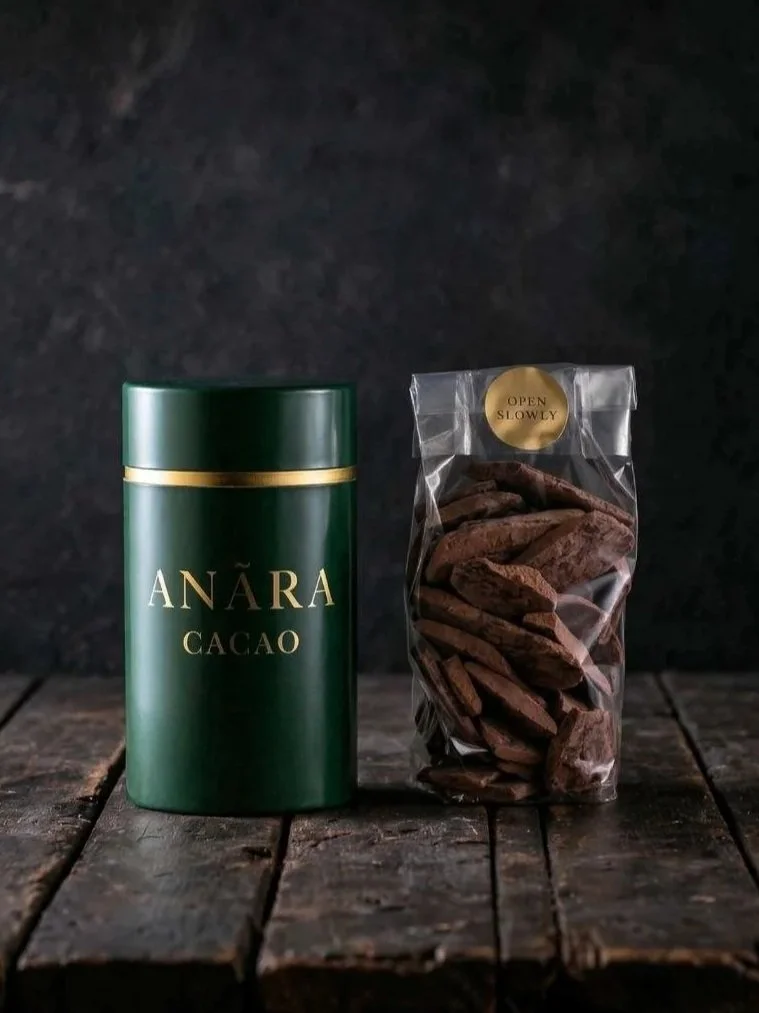
As you sit with your cup of Anãra Cacao, remember the path it traveled. Every drop is a sacred connection from bean to your ceremony.